
 Birmingham
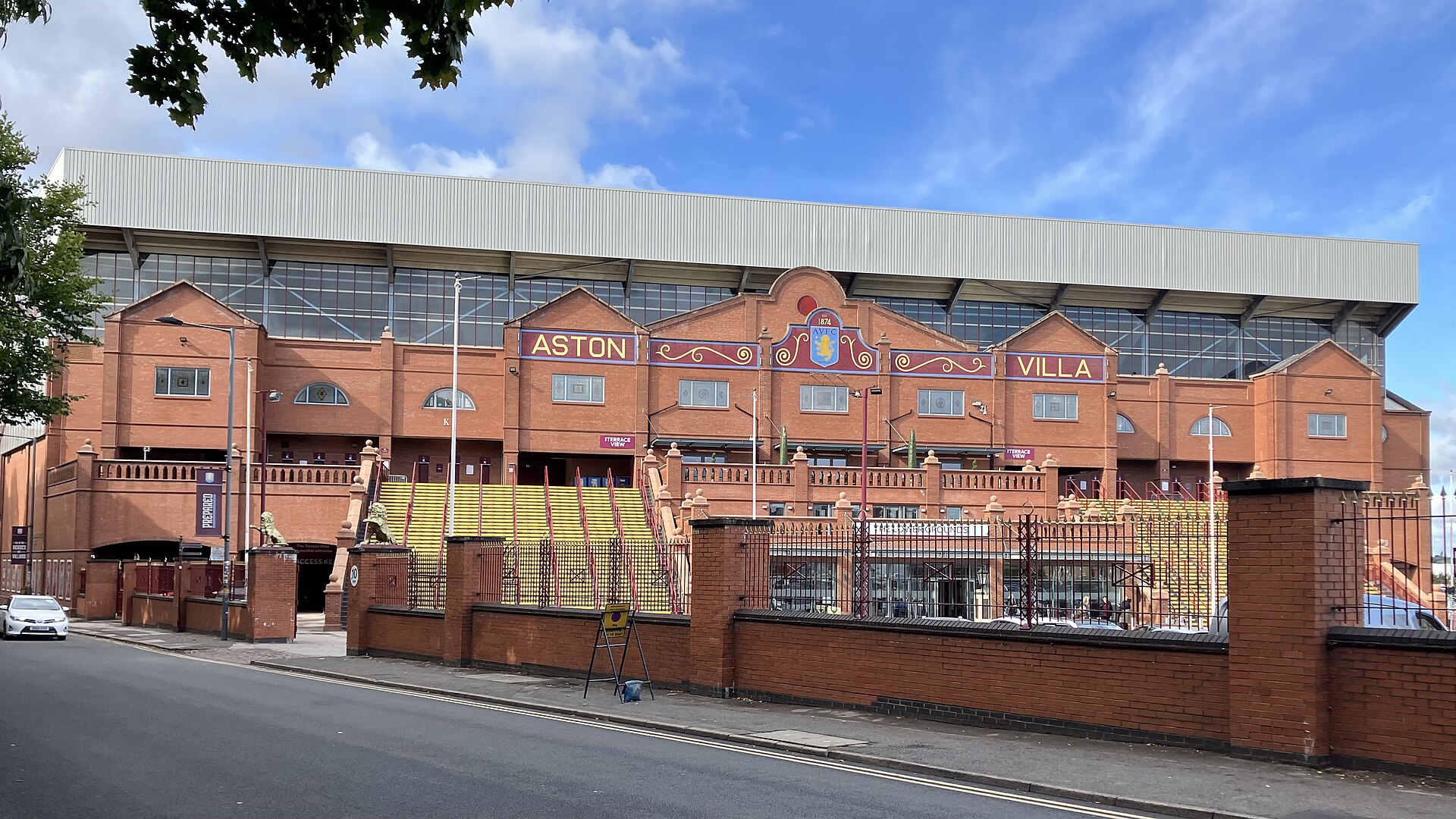
Villa Park
4 matchesGroup stage · Round of 1611 June 2028 — 27 June 2028
 Cardiff
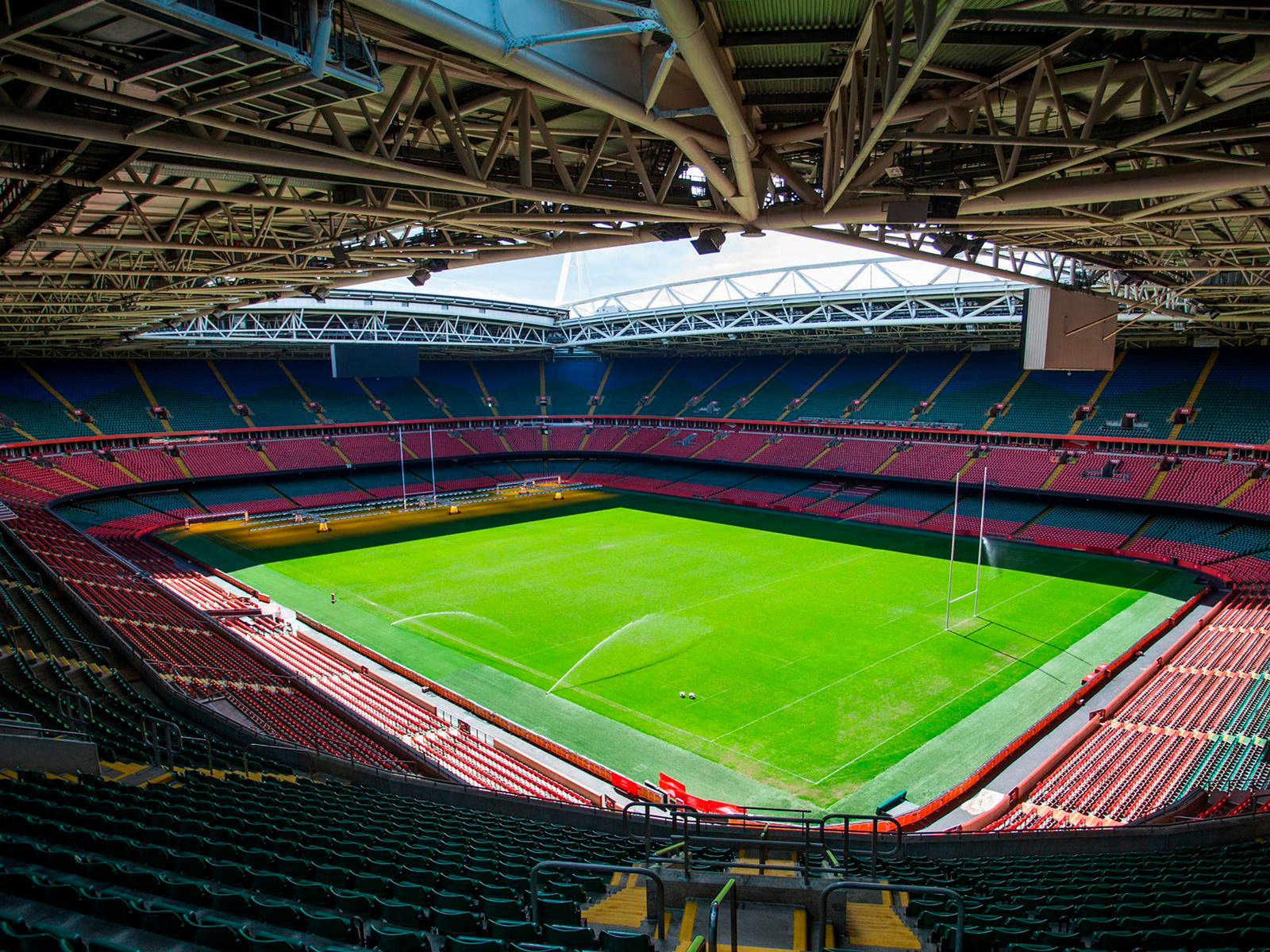
National Stadium of Wales
6 matchesGroup stage · Round of 16 · Quarter-final9 June 2028 — 1 July 2028
 Dublin
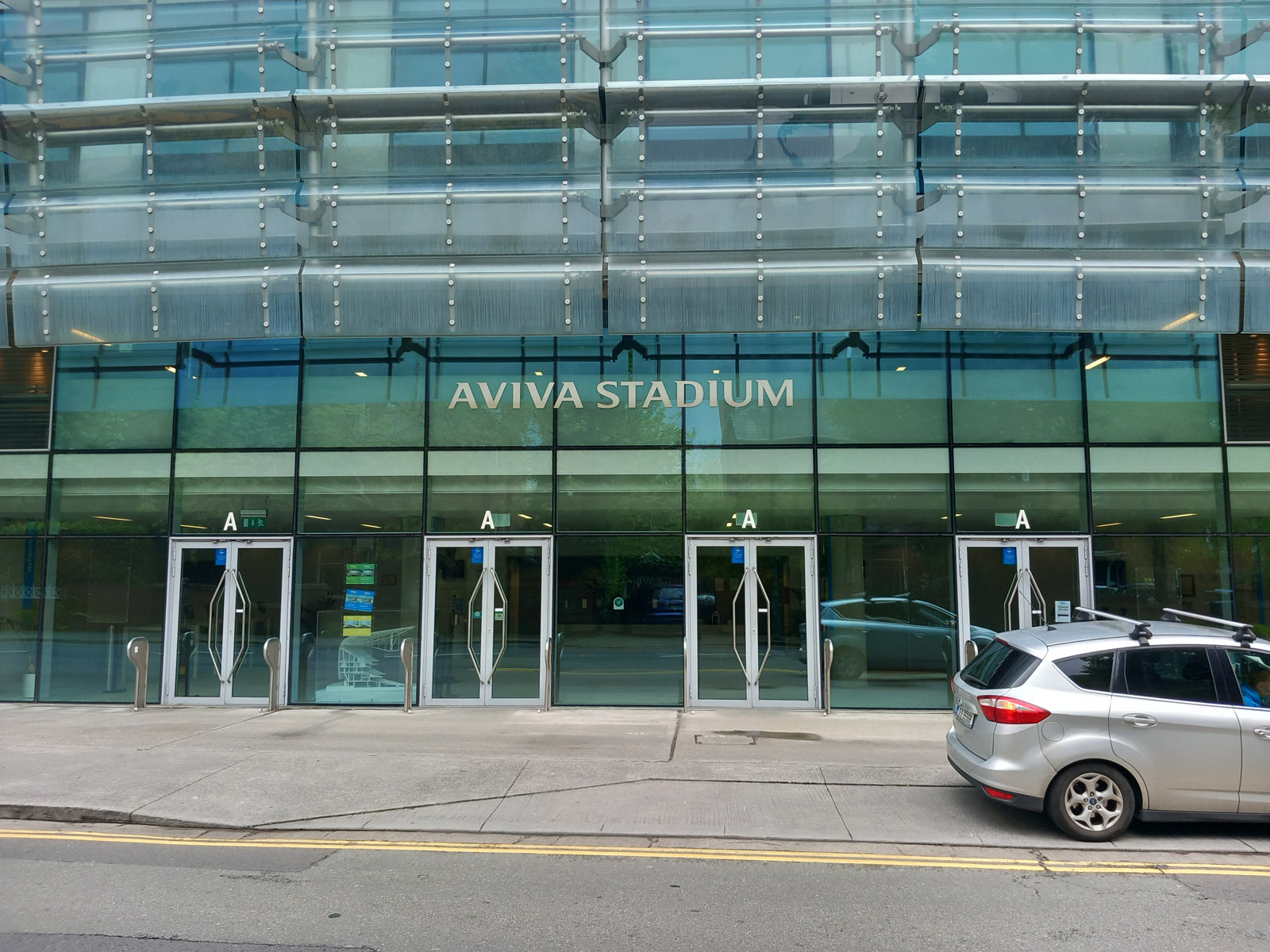
 Arena
7 matchesGroup stage · Round of 16 · Quarter-final10 June 2028 — 30 June 2028
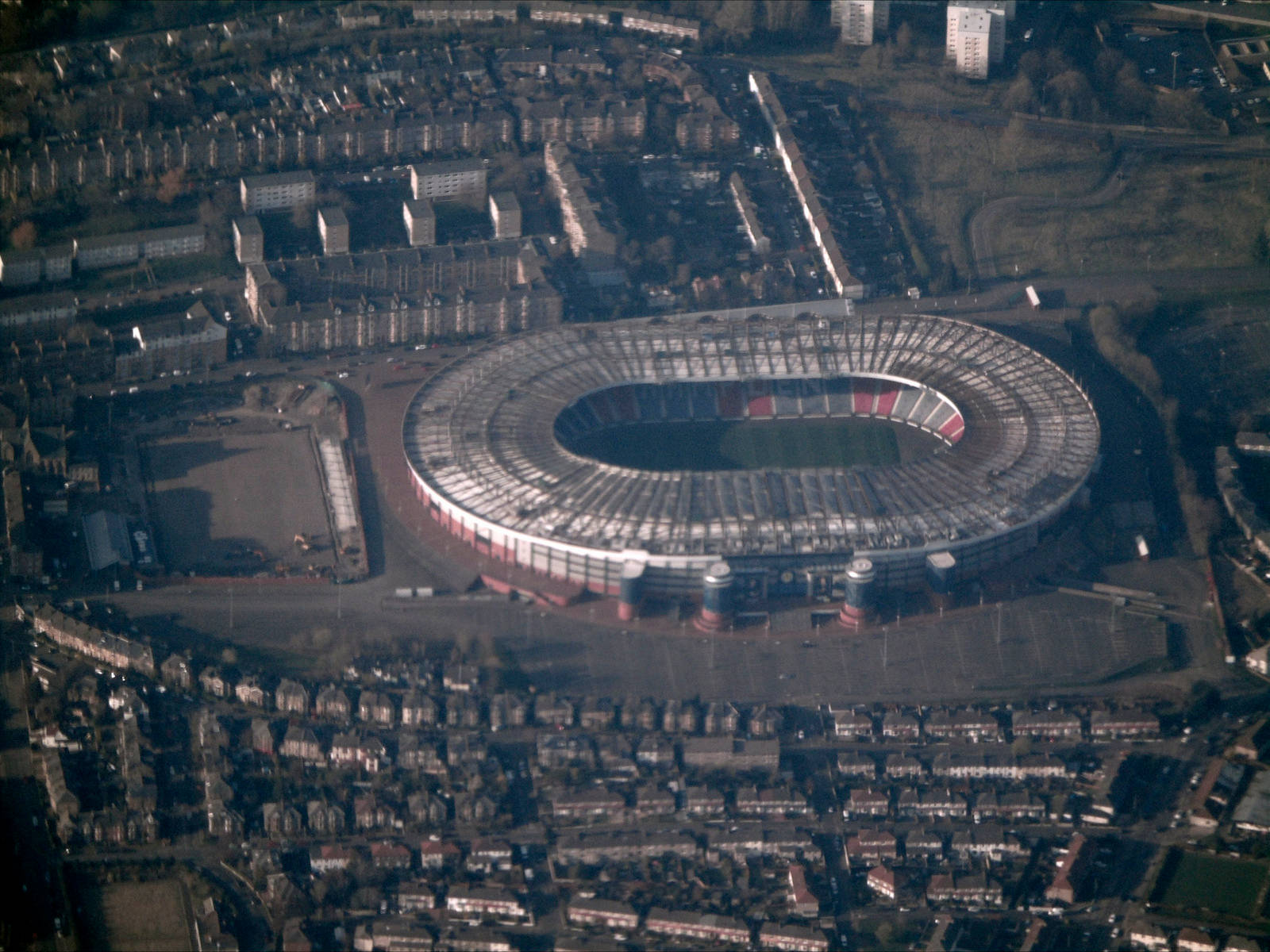 Glasgow
Hampden Park
6 matchesGroup stage · Round of 16 · Quarter-final10 June 2028 — 1 July 2028
 Liverpool
Everton Stadium
5 matchesGroup stage · Round of 1611 June 2028 — 24 June 2028
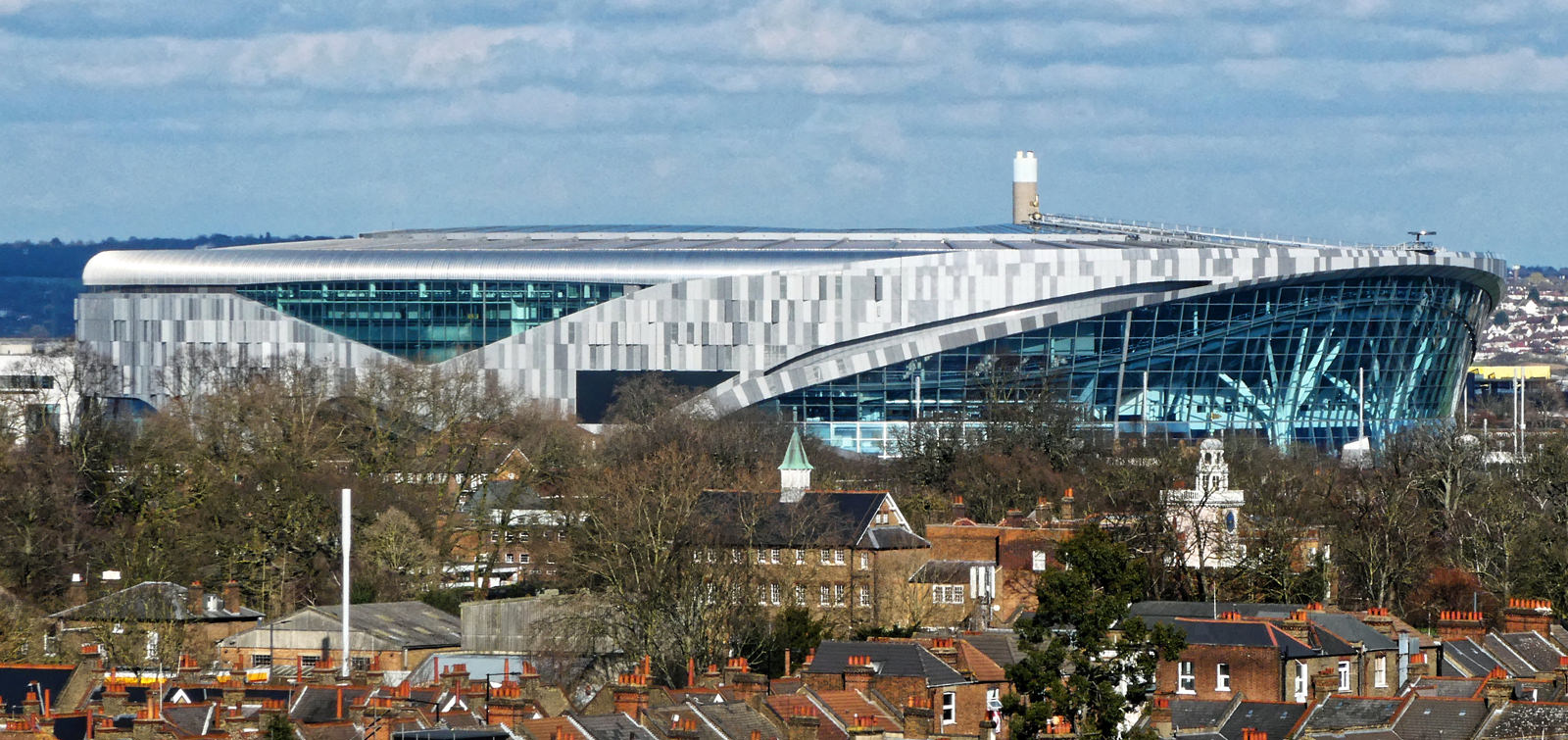 London
Tottenham Hotspur Stadium
5 matchesGroup stage · Round of 1612 June 2028 — 26 June 2028
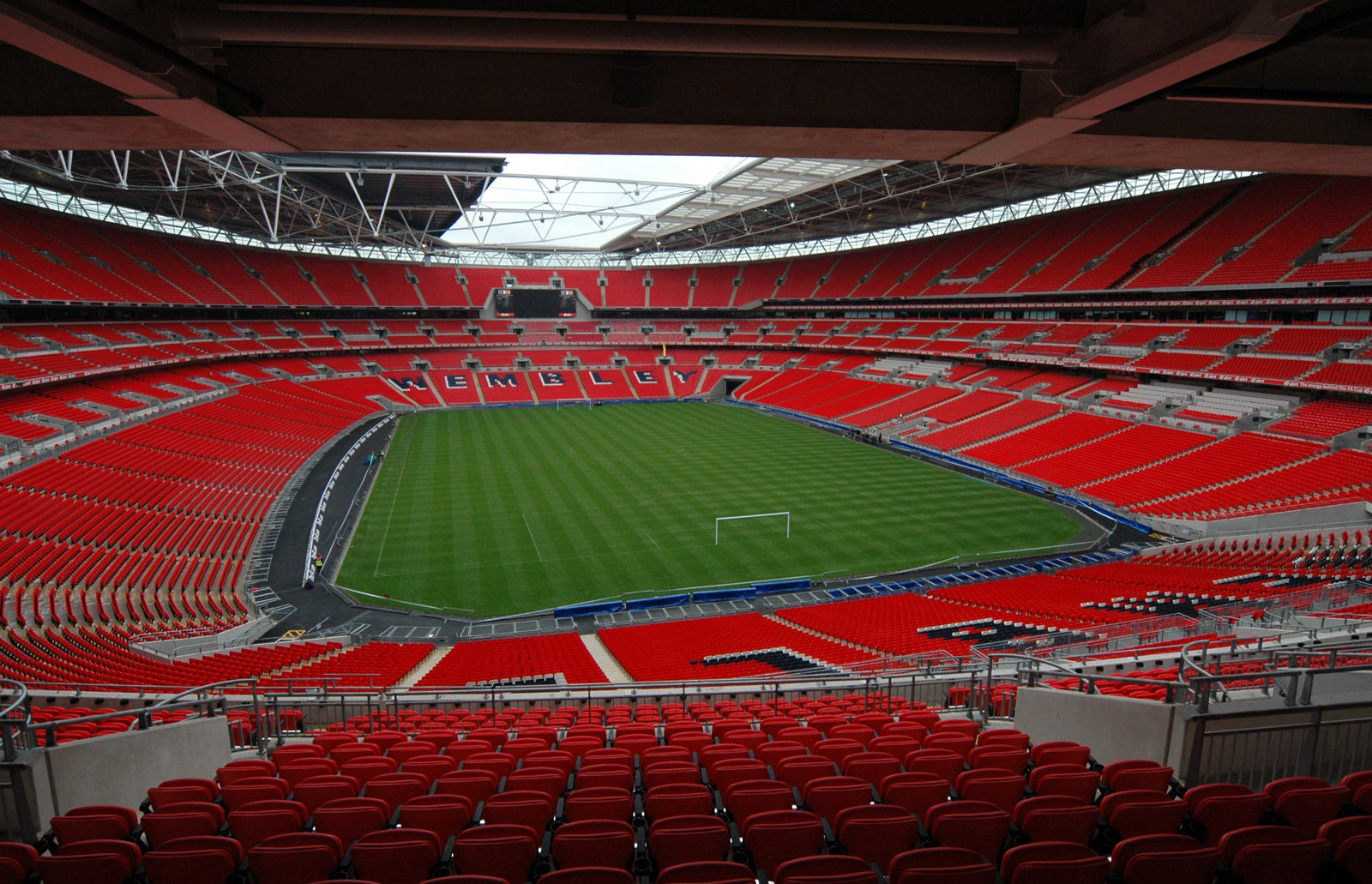 London
Wembley Stadium
8 matchesGroup stage · Quarter-final · Semi-final · Final11 June 2028 — 9 July 2028
 Manchester
 City Stadium
5 matchesGroup stage · Round of 1610 June 2028 — 25 June 2028
 Newcastle upon Tyne
St James' Park
5 matchesGroup stage · Round of 1612 June 2028 — 25 June 2028
Choose a venue by its role
Wembley hosts the final week and a quarter-final, but no round-of-16 match. The other eight stadiums each have a last-16 tie. Cardiff, Dublin, Glasgow and Wembley then share the four quarter-finals. If you want to watch a particular stage, that distinction matters more than a stadium’s club reputation.
Tournament names and familiar names
UEFA’s competition calendar may use a venue name different from the name on a sponsor’s sign or a transport guide. The page heading follows the tournament name. Verified everyday names belong beside it as aliases, so you can recognise the ground without splitting its fixtures across two pages.
What to check before visiting
Start with the match date and published time, then use the stadium’s official travel guidance. Club-match entrances, supporter allocations and bag policies should not be assumed to apply unchanged at EURO 2028. Tournament arrangements will be added when they are announced.
Compare programmes rather than names alone
The venue cards show the number of fixtures, stages and the first and last scheduled dates. Together they explain whether a ground suits one matchday, a sequence of group games or a visit that continues into the knockouts. The fixture list on each stadium page then identifies the individual games.
A familiar club ground can have a tournament programme involving several different groups. That variety is useful to a local visitor, but a supporter following one country should read its draw position and bracket route as well as the venue name.
A guide to the ground and its surroundings
Each venue page brings its tournament programme together with a short stadium history, familiar alternative names, a photograph and official transport links. The name used on a ticket or journey planner can differ from the competition name, so the aliases belong beside the same venue entry.
The city page provides a wider view: all local fixtures, the stadium journey and places to spend a gap between matchdays. For London, it also keeps Wembley and Tottenham’s schedules together while preserving the separate grounds.
Questions and answers
Does every stadium host a round-of-16 match?
Wembley does not host the round of 16. Each of the other eight venues has one match in that round. Wembley hosts a quarter-final, both semi-finals and the final.
Which stadiums host quarter-finals?
The quarter-finals are scheduled at Wembley, Dublin Arena, Hampden Park and the National Stadium of Wales. Each venue page shows its individual fixture dates and bracket connections.