

 GB
Birmingham
4 matchesGroup stage · Round of 1611 June 2028 — 27 June 2028
 GB
Cardiff
6 matchesGroup stage · Round of 16 · Quarter-final9 June 2028 — 1 July 2028
 IE
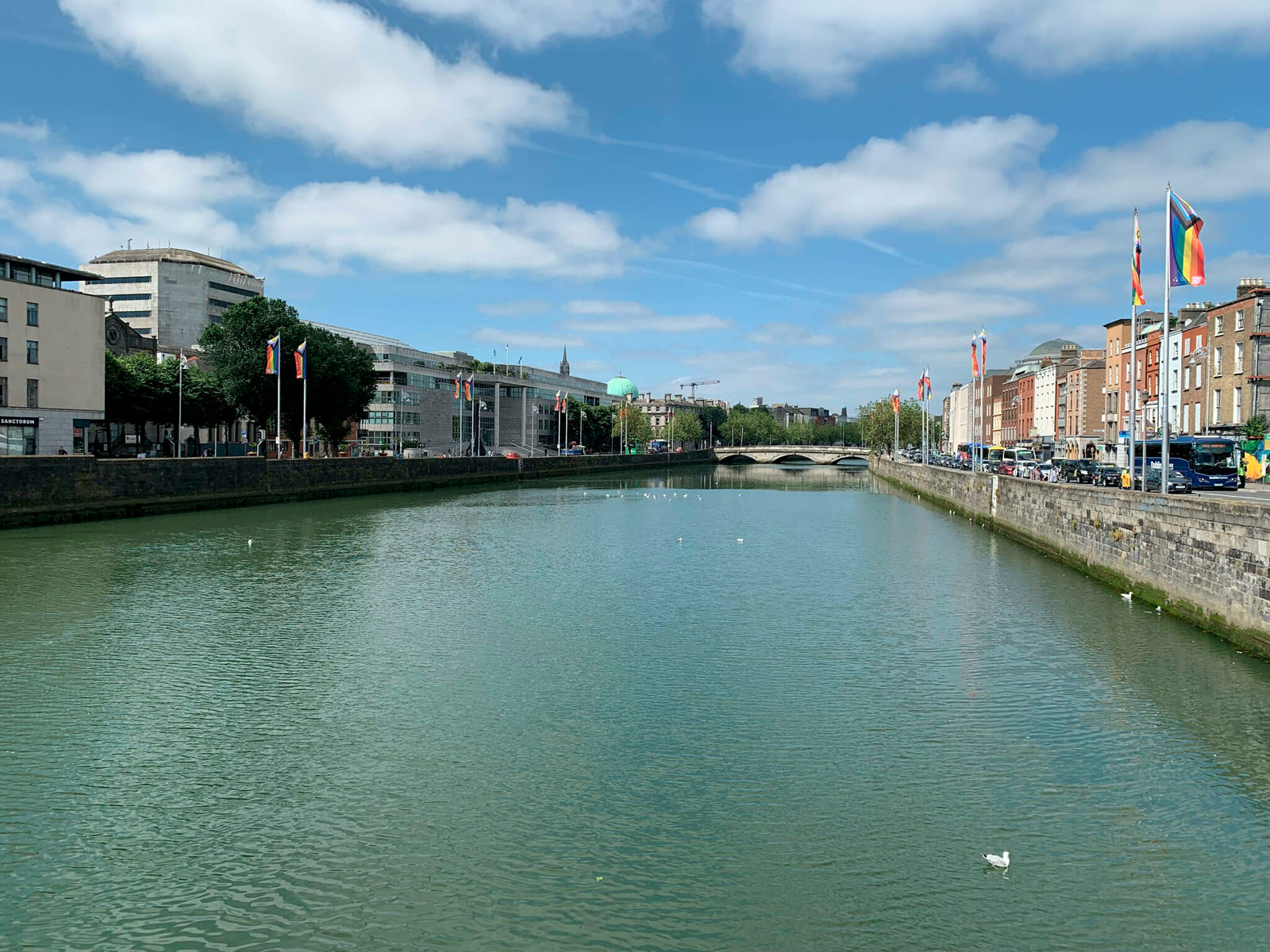
Dublin
7 matchesGroup stage · Round of 16 · Quarter-final10 June 2028 — 30 June 2028
 GB
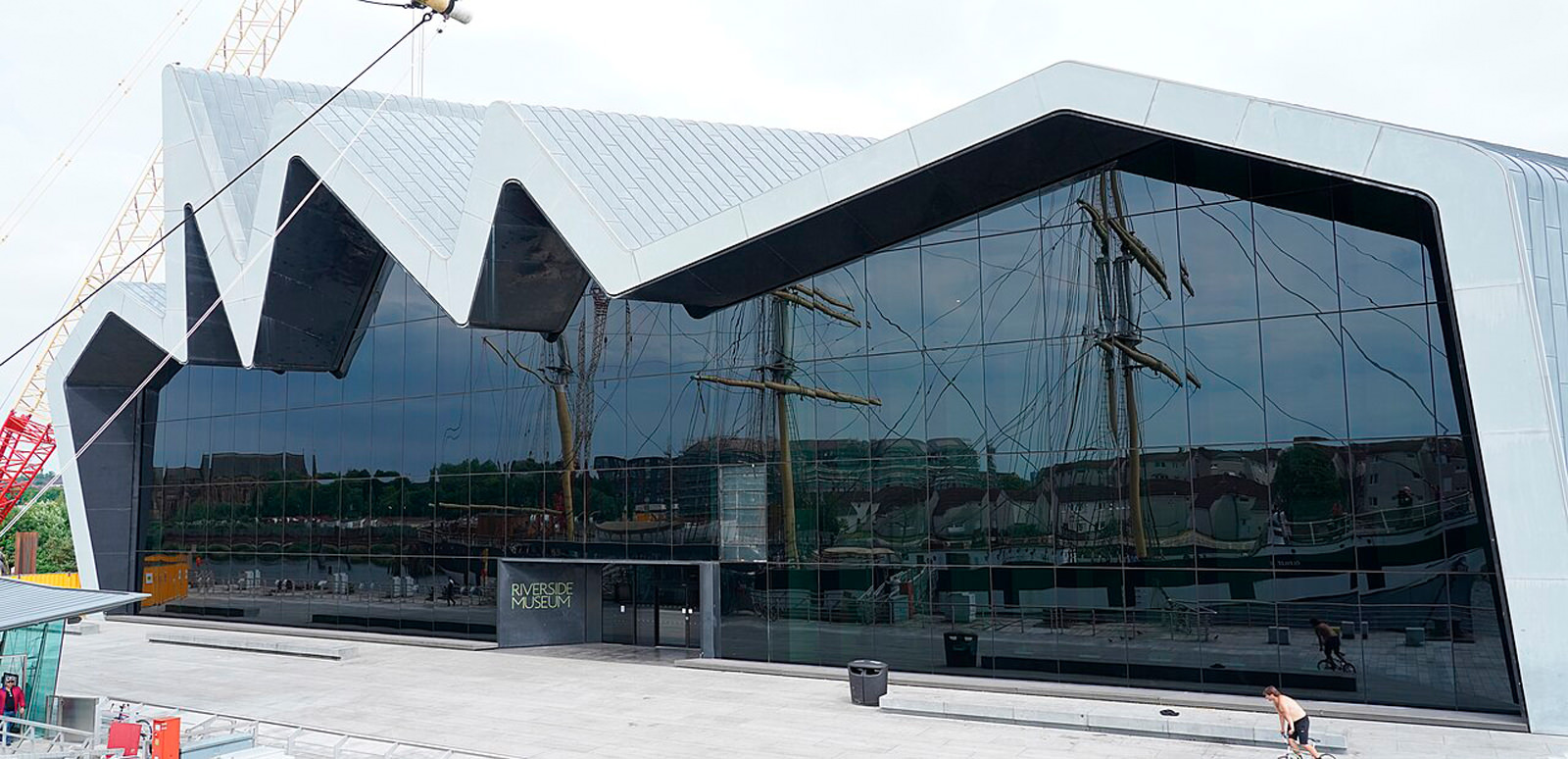
Glasgow
6 matchesGroup stage · Round of 16 · Quarter-final10 June 2028 — 1 July 2028
 GB
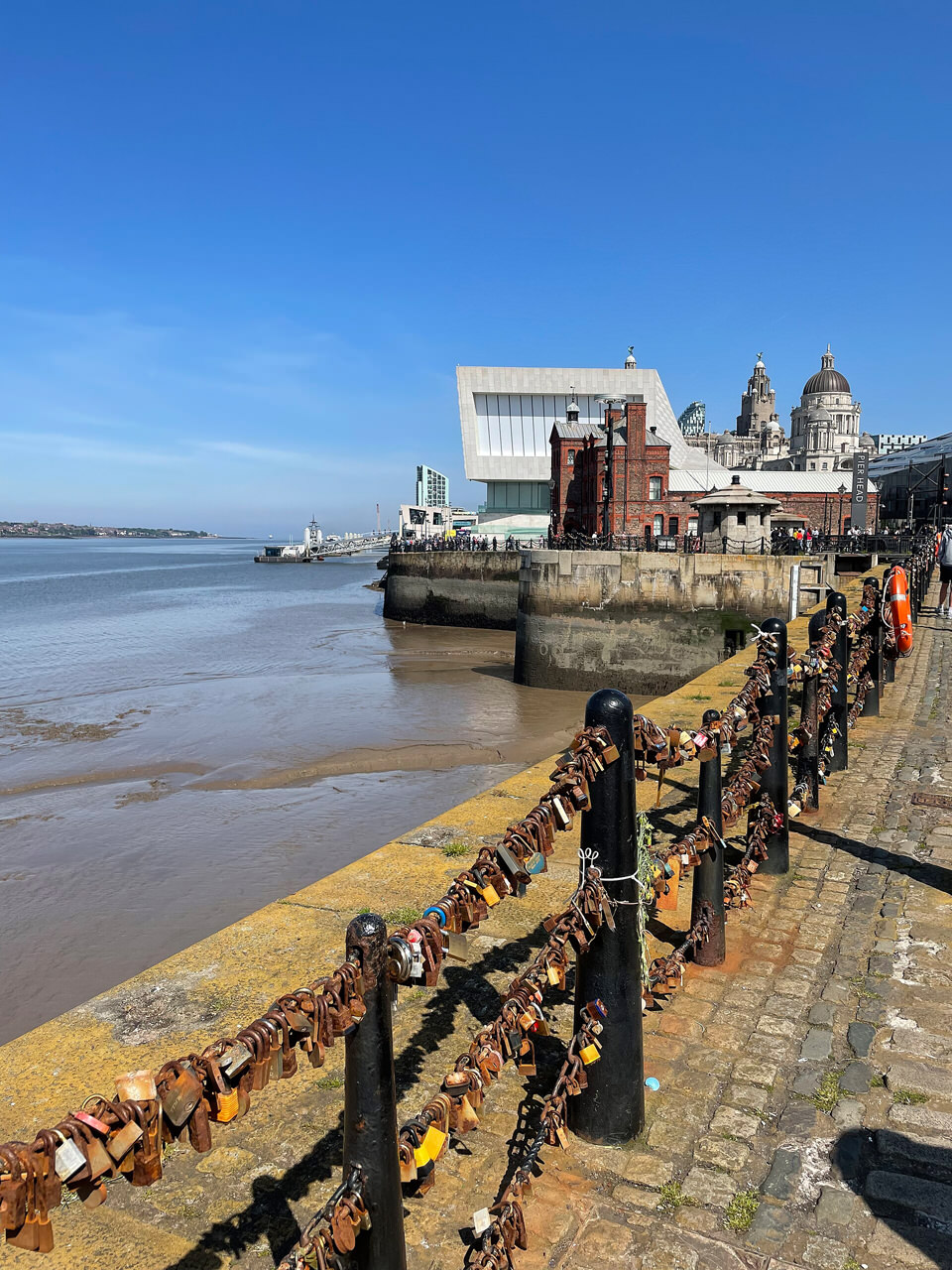
Liverpool
5 matchesGroup stage · Round of 1611 June 2028 — 24 June 2028
 GB
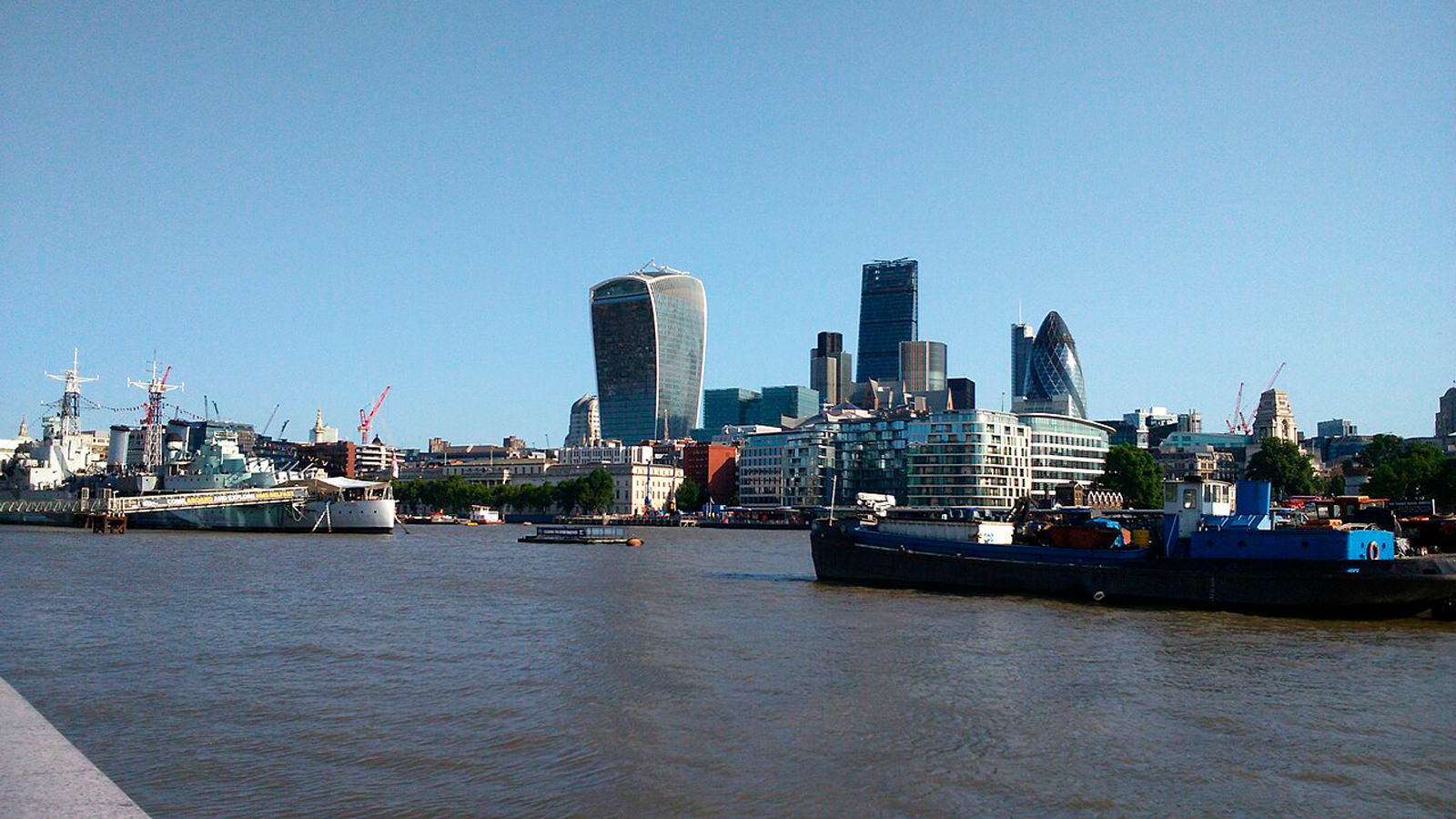
London
13 matchesGroup stage · Round of 16 · Quarter-final · Semi-final · Final11 June 2028 — 9 July 2028
 GB
Manchester
5 matchesGroup stage · Round of 1610 June 2028 — 25 June 2028
 GB
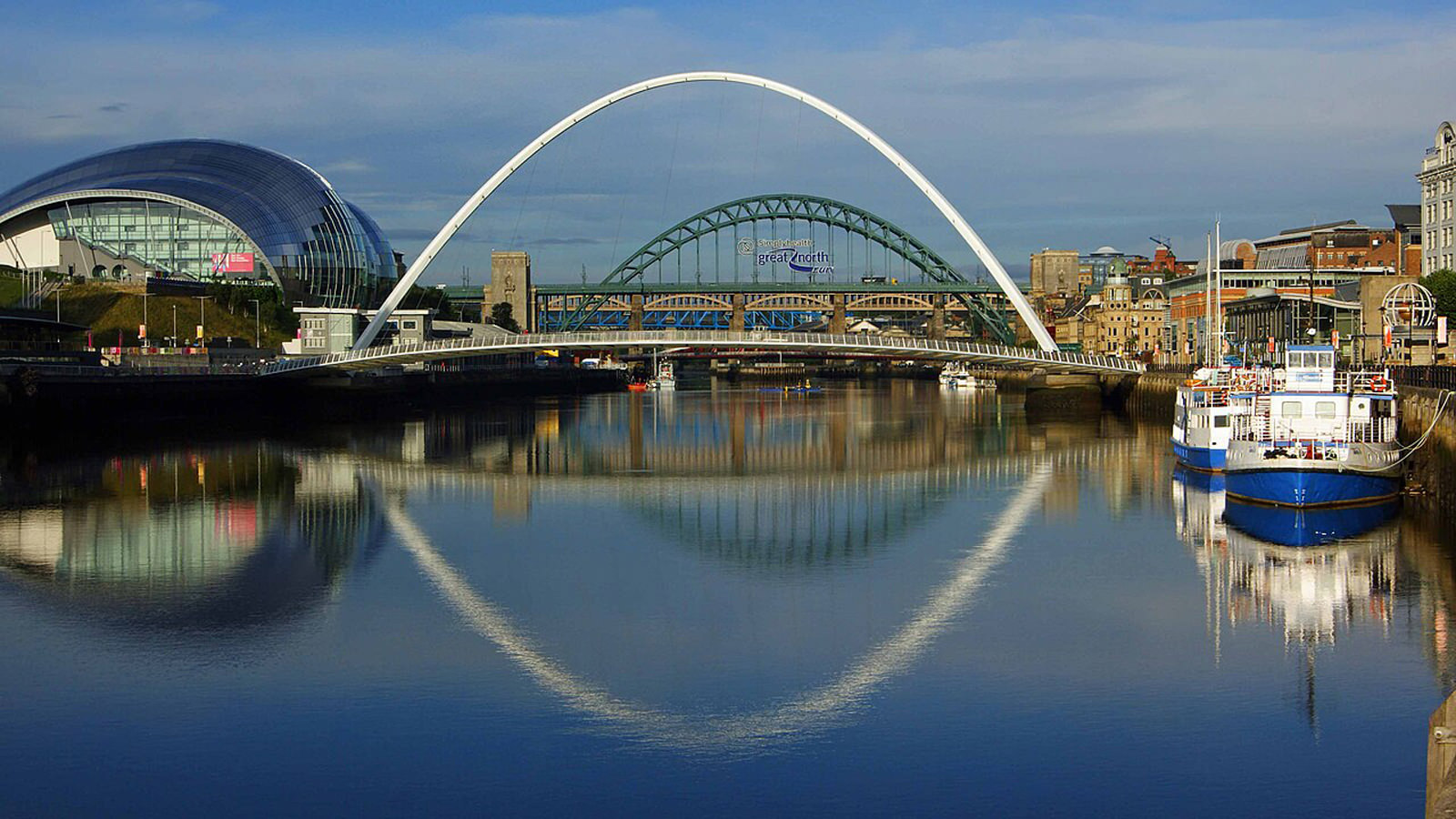
Newcastle upon Tyne
5 matchesGroup stage · Round of 1612 June 2028 — 25 June 2028
London is the exception
Every other finals host city uses one stadium. London has Wembley and Tottenham Hotspur Stadium, with different match programmes and different transport approaches. A ticket for a London fixture still needs a stadium check; a city-only calendar is not enough.
The tournament moves between cities
A city’s last match is not necessarily the end of the competition. Several grounds finish with a last-16 tie, while Cardiff, Dublin and Glasgow continue into the quarter-finals. The two semi-finals and final take place at Wembley. Follow the bracket if your visit is tied to a team’s progress rather than to one ground.
Plan the date before the connection
For most fixtures, the published date is more certain than the individual kick-off time. Leave room around a match until its time is confirmed. A train or flight immediately after an assumed final whistle may become impractical, especially if a knockout game goes to extra time.
Start with the kind of visit you want
For one match, begin with the individual fixture and its ground. For several games in the same city, compare the dates and gaps in that city’s programme. For a trip following a country, add the bracket route: the next round can move to a different host city even after a win at the ground where you started.
The city cards make the first comparison straightforward. A programme that continues to a quarter-final offers a different length of stay from one ending in the last 16. The individual match pages resolve which route and, later, which teams those dates represent.
Use the gap between fixtures
The guides include a small selection of places beyond the stadium rather than trying to turn every city page into a complete travel directory. A waterfront walk, museum or city-centre visit gives a longer stay something to do between games. Matchday plans still need room for the journey to the correct ground.
Once kick-off times are known, arrange the day around the match and choose an activity that fits the remaining time. Current visitor information provides attraction opening and admission details; the tournament calendar supplies the football dates.
Questions and answers
Does each host city have one stadium?
London has two: Wembley and Tottenham Hotspur Stadium. The other seven host cities each have one stadium in the published finals programme.
Can I follow a winning team through one city?
A city calendar follows its venues. A team that wins a knockout match usually moves to another city for the next round. Check the bracket connection on the individual match before arranging the next part of the trip.